
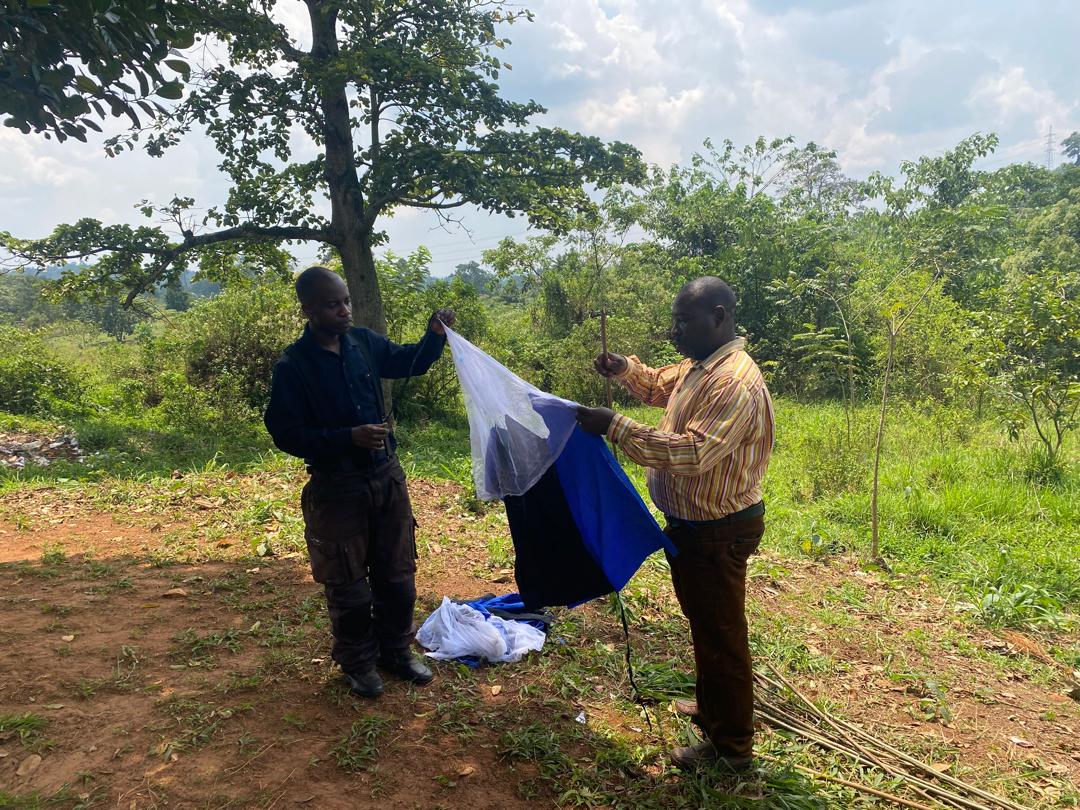
Residents of Kayunga District have been urged to remain vigilant and adopt preventive measures to curb the spread of tsetse flies following increasing cases of infestation in several parts of the district.
District authorities warn that the growing tsetse fly population poses a serious threat to livestock production and household incomes, as the insects transmit trypanosomiasis, commonly known as sleeping sickness in humans and nagana in animals.
Speaking to the press in Kayunga, Isaac Kakungulu, the District Malaria Focal Person, said Kangulumira is currently the most affected area and called for a coordinated response involving communities and local leaders.
“Kangulumira and Busaana sub-counties have registered the highest levels of tsetse fly infestation. We are encouraging residents to clear bushes around their homes, regularly spray livestock with recommended insecticides, and report suspected cases to veterinary and health authorities. Community participation is essential if we are to contain the spread,” Kakungulu said.
He noted that although the district has not recorded widespread outbreaks of human sleeping sickness, the continued presence of tsetse flies increases the risk of transmission and could significantly affect livestock productivity if not controlled.
Kakungulu explained that cattle, goats and other domestic animals remain vulnerable to trypanosomiasis, a disease that causes weight loss, reduced milk production, infertility and death, resulting in substantial economic losses for farming households.
District authorities are now working with veterinary officers and local leaders to strengthen surveillance, conduct community sensitisation campaigns and promote effective vector control measures in the affected areas.
Residents have also been advised to slash overgrown vegetation that provides breeding grounds for tsetse flies, maintain proper sanitation around homesteads and support government-led interventions aimed at reducing the insect population.
Local leaders expressed concern that failure to control the infestation could undermine agricultural production and household incomes, given that livestock farming is a major source of livelihood for many families in Kayunga District.
Authorities have appealed to development partners and community members to support ongoing control efforts, stressing that eliminating tsetse flies requires collective action.
